
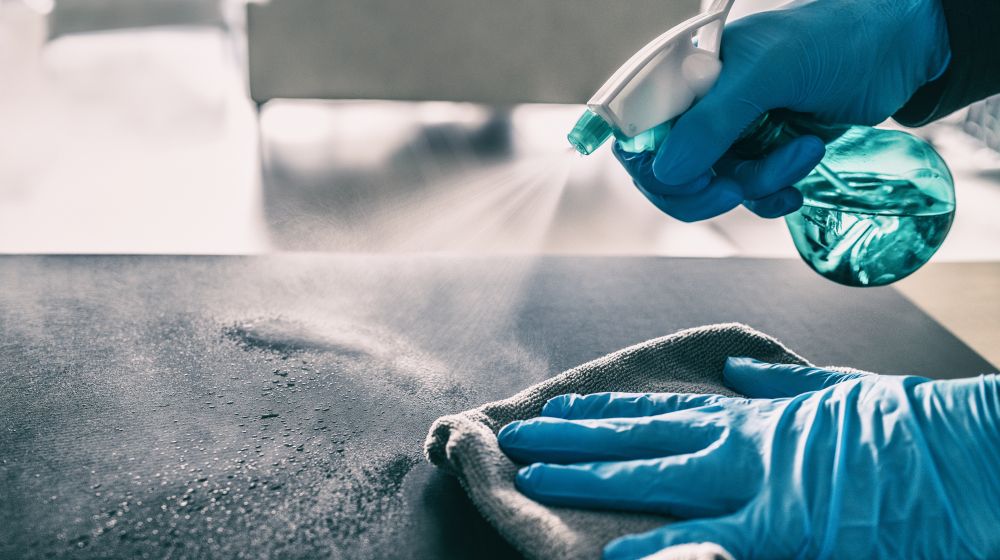
A healthy workplace boosts productivity, keeps people from leaving, and stops operations from breaking down. Most companies think fixing things means big spending – new offices, expensive equipment, long contracts. It doesn’t. Better organization fixes a lot. Using what you already have smartly. Hiring outside services instead of adding staff. That’s usually all it takes.
Workplace health isn’t just ergonomic chairs or stress workshops. It covers air quality, cleaning schedules, basic hygiene, and how shared spaces look. Ignore them and the costs hit later – more sick days, furniture wearing out fast, and employees unhappy. Fix these things early, and you control costs instead of letting them grow.
Hygiene Is a Core Workplace Health Factor
Cleaning often feels like an afterthought at work. Yet floors, furniture, and especially carpets gather pollutants daily. Outdoor dirt, pollen, dead skin, crumbs – whatever gets brought in sticks around. It affects air quality directly. Staff end up with irritated eyes, stuffy noses, and constant tiredness. Morale takes a hit, too.
Carpets trap more than people notice. Surface vacuuming helps a bit. But embedded contaminants stay put. Skip thorough cleaning, and allergens plus smells keep releasing. Areas with lots of walking – near doors, copiers, break rooms – accumulate fastest and cause the most trouble.
Many organizations address this issue by partnering with deep cleaning experts in London, ensuring professional – level hygiene without investing in equipment, training, or permanent cleaning staff. Outsourcing this responsibility allows businesses to maintain high standards while keeping internal costs predictable and controlled.
Cleanliness and Employee Well-being
Workplace wellbeing programs usually focus on benefits like flexible schedules and mental health resources. These are valuable. But they often ignore a more basic need. If the physical office isn’t clean and well – kept, those other efforts lose their impact.
A workspace that is visibly clean, smells fresh, and is in good repair makes a direct statement. It tells employees they are valued and that their daily comfort matters.
Clean spaces let people focus. Poor office hygiene, on the other hand, creates a subtle, constant stress. Staff might not say, “This dirty carpet is stressing me out.” But stains, odours, and worn – out furniture create a feeling of neglect. That feeling influences how employees view their leaders and the company’s real priorities. Maintaining consistent cleaning standards contributes to:
- Reduced sick days linked to allergens and bacteria.
- Improved concentration and comfort.
- Better perception of workplace professionalism.
- Longer lifespan of office furnishings and flooring.
These outcomes support well – being without requiring ongoing internal management effort.
Outsourcing vs. In-House Services
Most places just assume it’s cheaper to keep cleaning in – house. Makes sense at a glance. You see the wages, think that’s the bulk of it. But those extra costs creep in everywhere.
Recruiting isn’t free. Job ads, interviews, and paperwork when someone starts.
Then training – got to show them how you want things done. Managers end up spending half their week checking rotas, chasing people who are late, sorting cover. Machines break down.
You pay for repairs or new ones. Stockrooms fill up with sprays, cloths, and bins of powder. Someone has to order it, count it, chase deliveries. All that time and money just vanish into the background. In – house cleaning typically involves:
- The hiring process, including recruitment and onboarding.
- Continuous training and performance management.
- Procuring, maintaining, and eventually replacing all necessary equipment.
- A steady supply of cleaning consumables, plus the space and systems to store them.
- Providing coverage for absences, paid time off, and employee turnover.
These factors introduce operational risk. Service quality can fluctuate due to absences or staffing changes, often leading to unplanned spending or reduced standards.
Outsourced cleaning services combine these responsibilities into a single, predictable service agreement. Instead of managing staff and resources internally, organizations pay for clearly defined results. Key advantages of outsourcing include:
- Predictable and transparent pricing;
- Reduced administrative and management workload;
- No responsibility for staffing gaps or equipment failures
- Flexible service levels based on office use and seasonal demand.
This approach allows businesses to maintain consistent hygiene standards while keeping costs aligned with actual operational needs rather than fixed internal structures.
Targeted Cleaning
Not every area of an office requires the same level of attention. Strategic cleaning focuses on high – impact zones rather than spreading resources evenly. High – priority areas typically include:
- Entrance zones and reception areas;
- Meeting rooms and shared workspaces;
- Carpets in high – traffic paths;
- Break rooms and communal seating.
Deep cleaning these areas periodically improves overall hygiene perception without the need for daily intensive cleaning across the entire premises. This targeted approach balances cleanliness and cost control.
Hygiene as Asset Protection
Carpets, office chairs, those big sofas in the waiting area – they’re not cheap. Skip proper cleaning, and they fall apart way too soon. You end up replacing them years earlier than you should.
Stains and ground – in dirt aren’t only ugly; they actually chew up the fibers and backing over time. A proper professional clean pulls out the grit and sticky residue that grinds everything down.
Money – wise, it makes sense: keeping what you already own in good shape usually costs a lot less than buying new stuff every few years. Especially true in offices where you’ve got wall – to – wall carpet or furniture that clients actually sit on every day.
Health, Safety, and Compliance
Workplace hygiene is also linked to health and safety responsibilities. Employers are expected to provide a safe working environment, which includes reasonable cleanliness standards.
While regulations vary by industry, poor hygiene can increase liability risks, especially if it contributes to illness or injury.
Regular professional cleaning supports compliance by:
- Reducing slip hazards from residue buildup;
- Improving air quality;
- Maintaining sanitary shared facilities;
- Demonstrating proactive risk management.
Outsourced providers are typically familiar with industry standards and best practices, reducing the burden on internal management.
Flexibility Without Long – Term Commitments
A major operational benefit of outsourcing services like cleaning is flexibility. It turns a fixed cost into an adaptable resource that matches your business needs. This is clear in scheduling. You can book professional cleaning for nights, weekends, or during closures. This avoids work disruptions. There’s no need to rearrange employee schedules or work around staff.
Outsourcing also provides easy scalability. Your needs can change quickly – after a renovation, during a seasonal rush, or for a one – time event. With an outsourced provider, you can scale services up or down with a simple agreement. There’s no need to hire temporary staff, buy extra equipment, or renegotiate employment terms.
Financially, this model avoids long – term commitments. You pay for services as used, often with clear per – project pricing. This removes the fixed costs of salaries, benefits, and equipment maintenance for an in – house team.
It turns cleaning from a capital expense into a predictable operational cost, freeing up budget and management time for core business activities.
Measuring Impact Without Inflating Budgets
Firms often skip hygiene upgrades because they can’t see clear proof of the spend. Hygiene is easier to track. The benefits include normal running costs and day – to – day issues.
- Fewer Complaints About Cleanliness – Complaints about smells or dust dropping off. Regular proper cleaning of carpets and shared areas stops the same problems from coming back. Cuts down on urgent clean – up requests and time wasted fixing stuff that shouldn’t need fixing.
- Steadier Staff Attendance – Cleaner offices mean less dust and allergens. Fewer headaches or sniffly days off. Won’t stop all sickness. But short absences fall. Teams have fewer gaps.
- Lower Repair and Replacement Bills – Deep cleaning gets rid of grit that damages carpets and furniture. Slows wear. Assets last longer. Keeps the budget for fixes and new kit lower.
- Better Impression on Clients – Clean space, no odd smells, no visible dirt. Visitors notice. Helps the place look professional without spending on new decor.
- Tracking It the Simple Way – Use existing records. Absence sheets. Maintenance logs. Basic feedback. Takes no extra effort or money. You spot the difference easily.
Integrating Hygiene Into Workplace Strategy
Healthy offices don’t come from doing one thing once in a while. Hygiene has to be built into the main operational plan – linking employee comfort, safety rules, and keeping costs reasonable. This means setting up:
- Regular deep cleaning is done by professional crews
- Daily cleaning for surfaces and basic upkeep
- Periodic checks on areas with heavy foot traffic
- Adjusting how often services happen based on actual usage.
Once hygiene is treated like a standard business operation instead of something tacked on at the end, companies see better working conditions overall. Overhead doesn’t go up. No extra permanent costs get added.
Conclusion
Ultimately, a healthy work environment is achievable without major investment or internal growth. Significant gains are made by addressing fundamentals such as hygiene, air quality, and asset care via strategic outsourcing.
Using professional cleaning services strategically enhances employee health, preserves company assets, and cuts long – term costs. Employing focused cleaning, flexible service models, and preventive upkeep enables businesses to uphold standards and manage overhead effectively.