
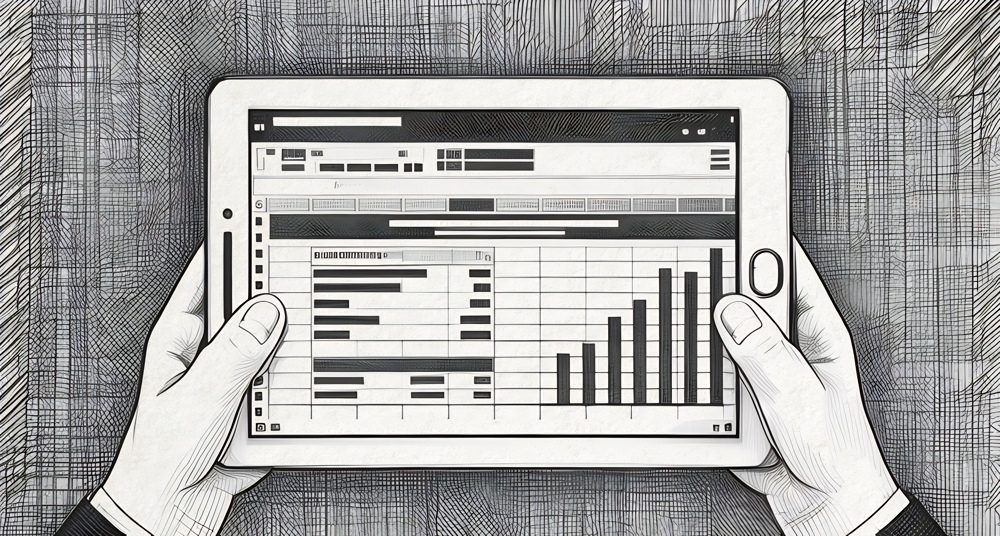
For years, spreadsheets have been the backbone of financial management for many UK hospitality businesses. From independent cafés and pubs to boutique hotels and restaurant groups, spreadsheets offered a low-cost, familiar way to track income, expenses and payroll. But as the hospitality sector becomes more complex and competitive, spreadsheets are increasingly struggling to keep up.
Across the UK, hospitality operators are recognising that manual processes are no longer sustainable. Instead, many are making the switch to dedicated hospitality accounting software to gain better visibility, accuracy and control over their finances.
The Limitations of Spreadsheets in Hospitality
Spreadsheets may be flexible, but they were never designed specifically for hospitality. UK hospitality businesses deal with fast-moving transactions, multiple revenue streams and tight margins. Managing this level of complexity in spreadsheets often leads to problems.
Manual data entry increases the risk of human error, particularly when teams are working under pressure during peak trading periods. A single incorrect formula or misplaced figure can skew financial reports, making it harder to understand true performance. Version control is another common issue, especially for businesses with multiple sites or remote accountants accessing the same files.
Spreadsheets also lack real-time visibility. By the time figures are updated, they may already be out of date. For hospitality businesses operating on slim margins, delayed insights can mean missed opportunities to cut costs, adjust pricing or manage cash flow more effectively.
Rising Compliance and Reporting Demands in the UK
UK hospitality businesses face increasing regulatory and reporting requirements. Making Tax Digital (MTD) for VAT has already pushed many businesses to rethink how they manage their finances, and further digitalisation is on the horison.
Spreadsheets can make compliance more stressful than it needs to be. Tracking VAT accurately across food, drink, accommodation and service charges is time-consuming and prone to error when handled manually. Hospitality accounting software, by contrast, is built to support UK tax rules, VAT rates and reporting standards, helping businesses stay compliant with less effort.
Automated reporting also makes it easier to share accurate financial information with accountants, investors or lenders, without hours of manual preparation.
The Need for Real-Time Financial Insight
One of the biggest drivers behind the shift away from spreadsheets is the demand for real-time data. UK hospitality businesses operate in a challenging environment shaped by rising costs, labour shortages and changing consumer behaviour. Decisions need to be made quickly and based on reliable information.
Hospitality accounting software provides up-to-date insights into revenue, costs and profitability. Business owners can see daily performance, compare sites, and identify trends before they become problems. This level of visibility is almost impossible to achieve with static spreadsheets.
For multi-site operators in particular, centralised financial data is invaluable. Instead of consolidating multiple spreadsheets at month-end, hospitality accounting software brings everything together in one system.
Integration with Hospitality Systems
Modern hospitality businesses rely on a range of digital tools, from point-of-sale (POS) systems and booking platforms to payroll and inventory management software. Spreadsheets sit outside this ecosystem, requiring manual imports and reconciliations.
Hospitality accounting software integrates directly with these systems, automatically pulling in sales data, wages and supplier invoices. This reduces administrative workload and ensures financial records reflect what is actually happening on the floor.
For UK businesses dealing with high transaction volumes, automation not only saves time but also frees managers to focus on service quality and customer experience rather than paperwork.
Supporting Growth and Scalability
Many UK hospitality businesses start small, where spreadsheets may feel sufficient. However, as a business grows, spreadsheets can quickly become a bottleneck. Opening new locations, expanding menus or introducing new revenue streams all add complexity.
Hospitality accounting software is designed to scale alongside the business. It supports multiple sites, departments and cost centres without the need to rebuild spreadsheets from scratch. This makes it easier for hospitality operators to grow confidently, knowing their financial systems won’t hold them back.
A Strategic Shift for the UK Hospitality Sector
Switching from spreadsheets to hospitality accounting software is more than a technical upgrade. It represents a shift towards smarter, data-driven decision-making across the UK hospitality sector.
In an industry where margins are tight and competition is fierce, having accurate, real-time financial information can make the difference between surviving and thriving. By reducing errors, improving compliance and providing clearer insights, hospitality accounting software is helping UK businesses take control of their finances and plan for a more resilient future.
As digital adoption continues to accelerate, spreadsheets are increasingly seen as a short-term solution. For UK hospitality businesses looking to operate more efficiently and sustainably, the move to dedicated hospitality accounting software is becoming not just an option, but a necessity.