

Not all metalwork is created equal. Whether you need structural components, decorative pieces, or industrial parts, you’re faced with a choice: buy pre-made metal products or work with steel fabricators to get something built to spec. One is quick and convenient. The other is precise and built for purpose. So which is better? Let’s break it down.
Customisation vs. One-Size-Fits-All
Off-the-shelf metalwork is a one-two-three operation—production en masse. You’ll see some standard sizes and designs that will work just fine if they can fit into your project. But when they don’t? You end up modifying, trying to find a way to make it work, or compromising quality.
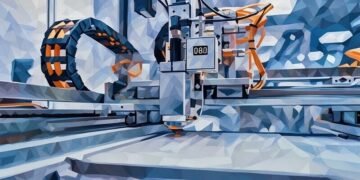
Steel fabricators, however, produce metal elements from the ground up. Whether you need a custom bracket, heavy-duty frame, or specialised part, they can build it to your exact specifications. No hacks, no wasting time, just the right solution from the get-go.
Durability and Material Quality
Most prefabricated metal items are created for general use. That doesn’t necessarily mean that they’re the strongest, most durable, or corrosion-resistant option. Some are made with inferior metals or coatings that don’t withstand demanding conditions.
With custom fabrication, you have control over the materials used. Do you need high-strength steel? Rust-resistant coatings? Precision welding? Steel fabricators can ensure your metalwork is durable in whatever application you’re looking for.
Precision and Fit Matter More Than You Think
Even a small sizing mismatch can throw off an entire project. Off-the-shelf metal components come in fixed dimensions, which may or may not align with your needs. If you’re constantly making adjustments, trimming parts, or reinforcing weak spots, that’s wasted time and effort.
Fabricated metalwork eliminates that guesswork. Everything is measured, cut, and assembled to fit perfectly. No extra modifications, no wasted materials—just a seamless fit every time.
Speed vs. Custom Work (Turnaround)
If you need something fast, off-the-shelf metalwork has the advantage. You can walk into a supplier, pick up what you need, and move on. But speed comes at a cost—less flexibility, lower quality, and potential rework if the part isn’t quite right.
Fabrication takes more time since it’s built from scratch, but the end result is worth the wait. If your project demands precision and durability, it’s often better to wait a little longer for a perfect fit than rush into a quick fix that might fail.
Cost Considerations
It’s easy to assume off-the-shelf metalwork is cheaper. And up front, it often is. However, if modifications, replacements, and potential structural failures are factored in, the cost can add up.
Fabrication costs more initially, but you get exactly what you need, built for the job. That means fewer adjustments, less downtime, and long-term savings. If your project requires reliability, investing in custom work can pay off.
Maintenance and Longevity
While ready-made metal works may appear to be a cheap option at first, how long do they last? Using lower-quality materials and generic designs can cause faster wear and tear. That translates to more repairs, replacements, and unpredictable downtime.
Custom-fabricated metalwork, though, is constructed for durability. Steel fabricators choose good materials and build components to last under heavy use, harsh weather, and wear and tear from years of stress. Custom fabrication is a better investment if durability is a priority.
Industry-Specific Needs
Some industries simply can’t settle for generic metalwork. Industries, including construction, manufacturing, aerospace, and automotive, frequently need precision-engineered components that standard options simply can’t offer.
Steel fabricators collaborate with enterprises to create bespoke solutions according to their specifications. Be it a strengthened structural beam, a precision piece of machinery, or a corrosion-proof element, fabrication is the guarantee that the right tool for the right job is there on each occasion.
Which Option Is Right
If you need a quick, standard solution and your project isn’t too demanding, off-the-shelf metalwork might work fine. But if precision, strength, and durability matter, turning to steel fabricators is the better bet. Custom fabrication ensures you get the right fit the first time—no compromises.
At the end of the day, it’s about what works best for your project. Quick and convenient? Or is it built exactly how you need it? The choice is yours.

