

While investing in property to let can be a fantastic long-term investment, many forget the expenses and problems you can encounter along the way. Hundreds of things can go wrong with a property, whether you live there or not – from theft and vandalism to burst pipes and flood damage, the cost of repair for minor and major incidents can quickly stack up.

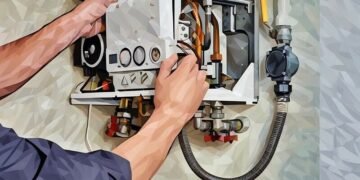
Fortunately, you don’t have to let these issues eat into your profits. Specialist landlord insurance can protect property-owners against all these risks at their rental properties (for business premises you’ll need commercial property insurance). Not only will your cover help you get the problems fixed right away, but they’ll cover you financially against repair costs, legal costs and more.
Policy Coverage
Broadly, there are three main types of insurance which come under a landlord insurance policy: buildings insurance, contents insurance and liability insurance. Beyond the main types included on most landlord insurance policies, you can choose to add optional extra cover if your rental property has some peculiar features.
Buildings insurance
As the name suggests, this strand of landlord insurance covers the owner against damage to the physical building. It includes damage to the structure of the property and can even cover the entire rebuilding of the home if it is irreparably damaged. Many policies will also include outbuildings under buildings insurance, provided they’re within 100m of the main house.
Specifically, buy-to-let buildings insurance tends to cover the following types of damage:
- Theft or attempted theft
- Vandalism or malicious damage
- Lightning, storm or earthquake damage
- Subsidence
- Burst pipes
- Fire damage
- Flood damage
- Escape of water or oil
- Accidental damage.
A landlord buildings policy usually insures built-in aspects to the property as well, such as damage to kitchens and bathrooms in the above instances. Boilers, too, are generally included under a landlord buildings policy.
If your rental property is a flat within a block, you will usually have buildings insurance under a shared block policy, which you’ll have to pay your share of as part of your service charge. Make sure you check exactly what’s covered under the shared block policy, as it may be worth taking out additional cover for anything not included.
Contents insurance
Some landlords take out contents insurance as an add-on to buildings insurance, though it is possible to take out contents insurance only, as a standalone policy. It covers the cost of repairing or replacing any fixtures and fittings in the property, such as furniture, carpets, free-standing white goods and other electrical items in the event of a flood, fire or other damage.
Whether you choose to take out contents insurance will largely depend on whether you rent out a property furnished or unfurnished. Many residential landlords let out properties wholly kitted out, in which case contents insurance could save you huge amounts of money on damage to any of these items. Even landlords who rent out almost empty properties may want to take out contents insurance if they have provided fridges and washing machines as part of the tenancy agreement, as these can be costly to replace in one go following a fire or flood.
Note that as a landlord, your contents insurance only covers the items you provided in the property. The policy won’t pay for the belongings of tenants – they’ll have to take out their own contents insurance policy for those items.
Liability insurance
If your tenant or a visitor sustains an injury at your property, as a landlord, you may be found liable. Liability means you’d have to pay compensation if they made a claim, as well as fork out the claimant’s legal fees on top of your own. These fees can wrack up to enormous sums if you don’t have the right cover in place.
Liability insurance is designed to cover you against claims made by tenants or visitors to your property, if they sustain an injury or fall ill at your property, owing to your negligence. Say a visitor to the property trips over a loose floor tile and injures themselves. You would have to pay the visitor compensation, cover their legal fees and cover other costs, such as any earnings the visitor may lose if they’re unable to work. Liability insurance covers illness, too. If a tenant is suffering from respiratory issues due to damp in the property you are renting, you would also be found liable.
Most landlord insurance policies offer liability cover up to £2 million. This may seem excessive, but fees can quickly reach this figure after compensation and legal fees are taken into account. Remember that while liability insurance will cover you against accidents at your property, it is still your duty as a landlord to ensure that your rental properties are as safe as possible. Make sure you aware of your responsibilities as a landlord to guarantee the safety of your tenants.
Further cover
Buildings, contents and liability insurance are the main features that any landlord insurance policy should include. You can also get standalone policies if you don’t wish to take out full landlord insurance cover. Many insurers also include additional protection, or you can pay extra to add these on. You might want to consider adding some of the following to your policy.
- Rental Income – Some landlord insurance policies do come with rent protection, or you can add this onto your policy for a fee. A rent guarantee, sometimes referred to as tenant default insurance, will help you cover rent, in the event that a tenant can’t, or won’t, pay up. This one is particularly important if you have a mortgage on the rental property, as it will make sure you don’t default on your mortgage payments and risk incurring bad credit.
- Legal Expenses Insurance – Should you become involved in a dispute with one of your tenants, legal expenses insurance cover will pay for your legal costs. Not many landlords choose to take this out, but it can help if you end up in court over a dispute with your tenant.
- Key Care Insurance – A common problem for landlords is tenants losing their keys. Key care insurance can cover any costs you have to pay a locksmith for replacing the locks or cutting new keys. You’ll also be covered if tenants break their keys, or if the keys are stolen.
- Home Emergency Cover – If there’s a sudden emergency at your property, home emergency cover will provide immediate help. This could include a water leak, or the boiler breaking down. There isn’t usually an excess to pay if you make a claim, but the maximum limit is often around £500 per claim which only applies to the immediate cause of damage.
- Boiler Breakdown Cover for Landlords – Boilers are notoriously fickle, and costly to fix. Not all landlord insurance covers boilers as standard, so be sure to check your policy. It may appear under home emergency cover, too, but not always. Boiler breakdown cover helps you get the boiler back up and running as quickly as possible, making sure your tenants aren’t without hot water and heating for long. Boiler cover provides a number to call for any boiler-related problems, and you can get an approved engineer out to help as soon as anything happens. It’ll cover the cost of repairing the boiler up to the limit of your policy, minus any excess.
Is it Legally Required Insurance?
Legally, you’re under no obligation to take out a landlord insurance policy in the UK. However, if you let out a property without insurance, you’re leaving yourself open to a lot of risks. From accidental damage and defaulting tenants to fire or flooding damage, a lot can go wrong. At best, you could incur significant repair damage, and at worst, you could face a hefty lawsuit.
It’s important to note that your home insurance policy won’t cover you if you are renting out to tenants. Even if you insure the rental property in your own name, the provider can refuse to pay if the property is being lived in by tenants.
While not a legal requirement, you should also bear in mind that many lenders won’t let you take out a buy-to-let mortgage if you don’t have landlord insurance.
What is a buy-to-let mortgage and insurance?
A buy-to-let mortgage is a particular type of mortgage, suitable when you purchase a property as an investment. If you’re buying a property to live in yourself, you can get a standard residential mortgage. Landlord insurance is sometimes known as buy-to-let insurance, specifically if it targets individuals who have invested their money in one property.
Extent of Coverage Needed
Most policies allow you to mix and match from the above types of cover. The standard cover varies from provider to provider, in terms of what events they insure as well as their maximum cover limit. Typically, limits to look for are £2 million of public liability cover, minimum £50,000 for legal expenses and £10,000 of contents insurance at a minimum. Many insurers allow you to extend upwards of this.
When looking at buildings insurance, you must provide an accurate estimate of the rebuild value of your property. This value refers to how much it would cost right now to rebuild your property from scratch if it was irreparably damaged, not the price you paid for it or the market value. You must also take into account the cost of site clearance and all professional fees. If your insured sum is less than the actual cost of the building, you will be liable to pay the difference, so it’s crucial to get right. The Association of British Insurers (ABI) offers guidance on how to work out your rebuilding cost.
Cost of Landlord Insurance
The amount you pay will depend on several factors, the main one being how much cover you’re after. The three main strands of landlord insurance listed above can be bought as standalone cover, which will bring the cost down.
The main factors affecting cost will be:
- The location of the property
- What type of property it is
- How many tenants are in the property
- The rebuild cost of the property
- The level of contents you’re insuring
- The level of excess you choose.
Making a Claim
Landlord insurance works much the same as other insurance policies. If you need to report a claim, contact your insurer as soon as possible. To do this:
- Call the claims number. Your insurer should provide this in your policy documentation.
- Explain why you need to make a claim, and provide your insurance policy number, which you can find in your policy documents
- Make sure you follow all the advice that the insurer provides over the phone on how to mitigate the damage and pay your excess
- Send in any paperwork they require, including supporting documents such as photographs or estimated repair costs
- You may need to meet with an assessor, who may want to visit the property to check the damage and collect further details.
Final Thoughts and FAQ’s
Buying insurance of any kind can feel like wasted money. It’s hard to see where your money is going – until you really need it. It’s not until you face a significant issue that has you forking out thousands that you wish you’d paid a small amount to an insurer every month. Beyond the expenses of repairing damage, if you’re found liable for something which results in illness or injury to your tenants, you could be facing a lawsuit – that could mean crippling legal fees and potentially staggering settlements.
As insurance goes, landlord insurance is relatively cheap. It’s also there to help you – consider getting landlord insurance to get your rental problems sorted faster, and take the stress out of your investment. Still have questions? Find answers to common queries about landlord insurance, below.
- Can I Find Landlord Insurance for My Coach House? – Property owners who rent out a coach house typically have difficulty finding the right cover, or any cover at all. If you’re looking for landlord insurance for your coach house, it’s worth going through a broker, as they have access to multiple insurers who may be able to offer specialist cover.

