

Growing a small or medium-sized business is rarely straightforward. One quarter might bring rapid hiring, exciting new clients, and expansion into fresh markets, while the next demands restructuring, cost control, or a sudden pivot to hybrid operations. For entrepreneurs and business leaders, successful scaling isn’t just about boosting revenue — it’s about building an organisation that can adapt fluidly to constant change without losing momentum or culture.

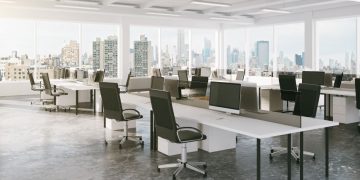
While conversations about SME growth typically centre on leadership, funding, marketing, and technology, one increasingly vital factor often flies under the radar: the workplace itself. Across the UK, Australia, and other dynamic markets, forward-thinking entrepreneurs are discovering that well-designed, flexible workspaces can directly support productivity, collaboration, employee satisfaction, and long-term scalability.
The modern workplace has evolved from a basic operational cost into a strategic business asset. Many SMEs are finding that investing in adaptable office environments helps remove friction from growth phases and gives them a genuine competitive edge against larger, less agile corporations.
Growth Creates New Workplace Challenges
In the early days, many SMEs operate with simple setups, a small team in a modest office, basic infrastructure, and straightforward daily workflows. This works well when headcount is low and operations are predictable. However, growth quickly complicates the picture. As teams expand from five to twenty-five or fifty people, new challenges emerge:
- Managing increasing employee numbers and diverse roles
- Supporting more complex team structures and cross-functional projects
- Accommodating hybrid work arrangements
- Integrating new technology and tools
- Meeting evolving client and stakeholder expectations
- Handling additional operational functions like training or client hosting
A workspace that once felt perfectly adequate can suddenly become inefficient, cramped, or mismatched with how the business actually operates. Without proactive planning, these issues create hidden costs: reduced productivity, communication breakdowns, and unnecessary stress for both leaders and teams.
This is why many growing businesses are turning to flexible workspace strategies. Rather than locking into rigid designs, they’re choosing environments that can evolve alongside the company.
The Traditional Office Model Is Becoming Less Relevant
For generations, offices followed a predictable formula: fixed desks, assigned seating, and clearly defined departmental zones. Employees arrived at the same time, worked set hours, and focused primarily on individual tasks.
Today’s reality looks very different. Hybrid work has become standard for many SMEs, with team members splitting time between home, client sites, and the office. Collaboration happens across digital platforms, project teams form and disband fluidly, and the best ideas often emerge during informal interactions.
Traditional layouts, heavy on permanent workstations and light on adaptable spaces, struggle to support this new way of working. Large swathes of desk space sit underutilised on certain days, while meeting rooms and collaboration areas are constantly in demand.
Savvy SME leaders are rethinking their approach. Instead of maximising desk density, they’re prioritising quality over quantity, creating workplaces that reflect how their teams actually work in 2026.
Flexibility Supports Business Agility
One of the biggest advantages SMEs have over larger organisations is speed and adaptability. However, this agility is only possible if the physical workplace supports it.
Businesses that adopt flexible office fitout approaches are discovering significant benefits. Adaptable environments allow them to accommodate rapid changes — whether that’s onboarding new staff, reconfiguring teams, or shifting to new operational models — without expensive and disruptive major renovations. Practical flexible solutions include:
- Modular furniture systems that can be reconfigured quickly
- Adaptable meeting and breakout spaces
- Multi-purpose work zones that serve different needs throughout the day
- Scalable technology infrastructure
- Reconfigurable layouts using moveable partitions and furniture
These modern commercial workspace solutions help SMEs stay nimble. A meeting room today can become a training space next month and a project war room the following quarter — all without costly rebuilds.
Employee Experience Is Becoming a Competitive Advantage
Talent attraction and retention remain major hurdles for growing SMEs. Larger companies often win on salary packages and brand prestige, but smaller businesses can compete effectively through superior workplace experiences. Today’s employees – particularly younger professionals – expect environments that support their wellbeing and working preferences. They value offices that offer:
- Comfortable, ergonomic setups
- Spaces for both focused work and collaboration
- Natural light, plants, and wellbeing features
- Flexibility to choose how and where they work
- A professional yet approachable atmosphere
A thoughtfully designed workspace sends a powerful message: that the company cares about its people. This can strengthen culture, boost engagement, and improve retention rates. For SMEs, where every team member counts, these advantages are particularly valuable.
Conversely, outdated or inflexible offices can become a liability, contributing to frustration, burnout, and higher turnover.
Hybrid Work Has Changed Expectations
The shift to hybrid working has fundamentally altered the role of the physical office. For many SMEs, the office is no longer primarily a place for individual task completion. Instead, it serves as a hub for connection, creativity, and culture-building. When teams come together, they want spaces that facilitate:
- Meaningful collaboration and brainstorming
- Problem-solving sessions
- Team training and development
- Client meetings and relationship building
- Informal social interactions that strengthen bonds
This evolution has led many business owners to move away from dense, desk-heavy layouts toward more dynamic, activity-based environments. The focus is shifting to quality experiences that make office days worthwhile.
Technology and Workplace Design Are Becoming Interconnected
Modern business technology – cloud platforms, video tools, project software, and collaboration systems require workplaces designed to support it effectively.
Key considerations include reliable high-speed connectivity, well-equipped meeting rooms for hybrid calls, flexible power and data access, and seamless integration between digital tools and physical spaces.
SMEs that plan for this interconnection from the start avoid painful and expensive retrofits later. Flexible designs make it easier to upgrade technology as the business grows, keeping operations smooth and future-ready.
Efficient Use of Space Matters More Than Ever
Commercial rents and fitout costs represent significant investments for growing businesses. In uncertain economic conditions, maximising value from every square metre is essential. Flexible workspaces often deliver better space utilisation by enabling multiple functions within the same area. A single zone might host individual work in the morning, team collaboration mid-day, and client presentations in the afternoon.
This multi-purpose approach helps SMEs control costs while still providing high-quality environments. It’s not about having more space; it’s about using existing space more intelligently.
Workplace Culture Is Influenced by Environment
Company culture isn’t created solely through values statements and team-building events. The physical environment plays a subtle but powerful role in shaping how people interact, share knowledge, and feel connected to the organisation. Well-designed flexible workspaces can encourage:
- Spontaneous conversations and idea sharing
- Cross-team collaboration
- A sense of belonging and identity
- Better work-life balance through thoughtful design
As SMEs scale and teams grow, maintaining culture becomes more challenging. An adaptable, human-centred workplace helps preserve that sense of connection even as the business evolves.
Preparing Businesses for Future Growth
The most significant benefit of flexible workspaces is future readiness. Business growth is unpredictable. Markets shift, technologies advance, team needs change, and new opportunities appear unexpectedly.
Workplaces designed with flexibility in mind provide resilience. Instead of constantly reacting to growth pains with expensive refits, businesses can evolve their environments proactively. This long-term thinking supports sustainable scaling rather than chaotic expansion. Entrepreneurs who view their workplace as a strategic asset. rather than just an overhead – position their companies for stronger, more resilient growth.
Summary: Scaling Smarter for Long-Term Success
In today’s competitive landscape, SME success depends on more than great products or services. It requires building organisations that are adaptable, people-focused, and efficient.
Flexible workspaces are helping businesses achieve exactly that. By supporting agility, enhancing employee experience, improving space efficiency, and preparing for future needs, thoughtful workplace design has become a genuine growth enabler.
For entrepreneurs and business leaders committed to scaling effectively, investing in quality, adaptable office environments is no longer optional; it’s a smart strategic move. The right workplace doesn’t just house your team; it helps amplify their potential and supports your vision for long-term success.

